
I once chased a bonus buy offer that promised a guaranteed payout and lost more than I could afford. My mistake was treating a feature like a shortcut rather than a priced option with its own odds. Players who got burned once know the feeling. A pokies bonus buy feature online AUD looks simple on screen, but the maths behind it rarely matches the hype. The real question is what a player actually gets for the extra cost.
Real choices exist, and they are not all about pressing one button. Some games let you spin normally and wait for the free rounds. Others charge a fixed amount to trigger the bonus instantly. The difference matters when your bankroll is thin and you are already wary of another bad run. A careful player compares the price, the trigger odds and the hold before spending a cent.
What does the buy actually cost
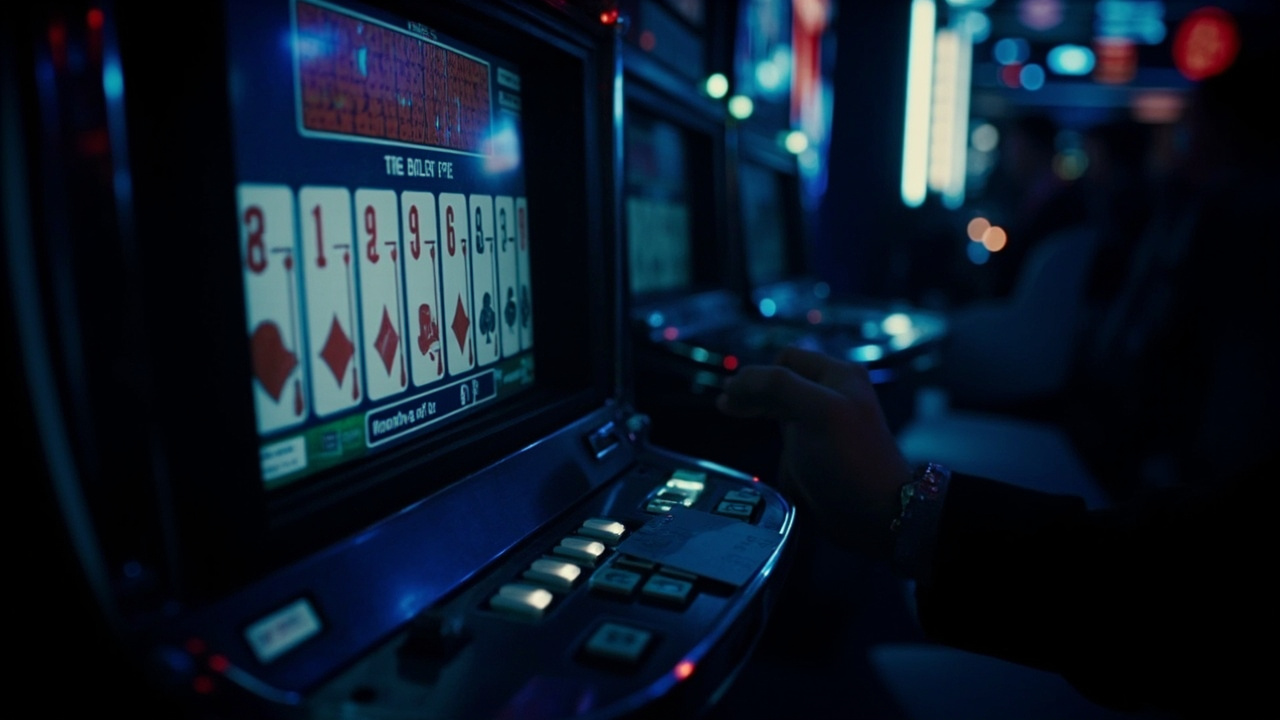
The price is usually a percentage of your current balance or a fixed line item on the screen. Say you deposit fifty dollars and the game asks for twenty dollars to buy the bonus round. You are not buying a win. You are buying a chance to enter a feature with its own paytable and volatility. Some titles publish the trigger chance, and some do not. If the number is hidden, you are guessing.
A player in Penrith who plays after work might check the paytable first and note the entry cost. The same player might compare two games side by side and pick the one with a lower entry fee and a clearer payout structure. That habit saves money over a long session. It also stops a rushed decision when the screen flashes a tempting offer. Sbcnews
How the feature fits your session
The feature is a tool, not a plan. Some players use it once near the end of a session to test a high-variance round. Others avoid it entirely and rely on normal spins to build momentum. Neither approach is right for everyone. The right choice depends on your limit, your patience and the game you picked.
That kind of deliberate restraint is what separates casual experimentation from consistent edge. If you want a deeper look at how session pacing and risk management intersect, you can review the breakdown at https://borneowildlifetour.com/. Even when the stakes are artificial, treating each round as a calculated move usually pays off more than chasing pure luck.
A good session has a stop point before the buy button even appears. Set a loss limit and a time limit before you log in. If the buy price would eat more than a tenth of your remaining balance, walk away. That rule keeps a bad night from becoming a worse one.
Australian payment habits and timing
Australians often move money through PayID, BPAY or a straight bank transfer, and each method has its own timing. A card payment can get blocked by a bank that flags gambling-related transactions, which leaves a player stuck mid-session. A bank transfer might clear overnight, and that delay can matter when you want to play tonight. PayID is usually faster, but it still depends on the operator’s processing window.
Someone at a café in Parramatta might load a balance through PayID and start playing within minutes. Another player might try a card, hit a block, and wait a day for a bank transfer to go through. The lesson is simple. Check the method before you commit, because a blocked card or a slow transfer changes the whole session.
Where the feature sits next to other games
The bonus buy is one option among many, and it is not the only way to spend a balance. Some players prefer table games or community games that move at a slower pace. Housie, also known as bingo, raises funds for many Australian community groups and shows how a slower game can still hold a crowd. A pokies bonus buy feature online AUD is faster and more expensive per decision, so it suits a different mood.
A punter named Dale from Blacktown once spent thirty dollars on a buy after a long losing stretch and won back forty-five. He treated the thirty dollars as the cost of a single test, not as a rescue plan. He set a hard stop at sixty dollars total for the night and logged out when he hit it. That small case shows how a named limit and a clear exit beat a chased session.
How to judge if the buy is worth it
A useful check starts with the paytable and the entry price. Read the feature rules, note the symbol values and compare the entry cost to the likely return range shown in the game info. If the game does not show enough detail, assume the edge is unclear and treat the buy as a guess. A transparent game gives you something to work with.
A practical checklist helps before any buy:
- Read the feature rules and note the entry price before you spin.
- Check whether the game shows the trigger chance or the free round details.
- Compare the entry cost to your remaining balance and set a hard limit.
- Decide in advance whether you will buy once or not at all.
- Use a payment method that clears in time for your session, not one that may block.
- Stop the moment you hit your loss limit, regardless of how the feature looks.
- Log the session result so you can judge the buy against real outcomes, not feelings.
The blunt verdict
The feature is a priced shortcut, not a guarantee. A wary player treats it like a test with a limit, not like a fix for a bad run. If the price is clear, the limit is set and the payment method works, the buy can fit a session. If any of those pieces are missing, the smarter move is to spin normally or walk away.